

Graveyard Shift
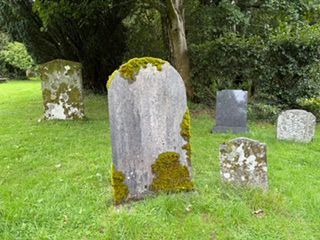
(Author Photo)
The provenance of some of our common phrases usually stems from occurrences that happened centuries ago. One of them is the usage of the expression “the graveyard shift”, a term that means having to work late nights at a profession, usually overnight.
When Scotland united with England in the early 18th century to form Great Britain, the long-time wars between them ended and the two nations entered a time of peace, at least among themselves. The economy began to prosper. Education became more prominent, and many embarked on the new fight to end disease and wide-spread poverty. The quest was a long and arduous one, taking nearly two centuries to abolish, or at least ameliorate, the effects of epidemics such as cholera, typhoid, influenza, and tuberculosis. Other fatal conditions, such as heart and lung diseases, and even cancer, also needed extensive research.
In both London and Edinburgh medical colleges were established. Doctors needed to educate their students by supplying more than textbooks. In order to understand the human body and the diseases that ravaged it, the doctor/professors needed cadavers for their classes.
The problem that arose was that dead bodies soon decomposed. Fresh corpses were needed on a regular basis, and the colleges were willing to pay good money for them.
While grave robbing was a crime (opening the grave and stealing valuables that were buried with the dead), stealing a body was not yet against the law in Britain – no one had attempted that act. In fact, the law allowed for using the remains of executed criminals, prostitutes, and orphans who died in the extreme conditions of the orphanages for these medical universities. These unfortunates, however, did not provide enough supply for the growing needs of medical science. Soon, enterprising men, sometimes with their wives as accomplices, discovered a new opportunity to make significant money.
The city cemeteries in the 1700s and early 1800s were busy with continuous burials. The “resurrectionists” would simply learn of a burial, wait until late at night, proceed to the cemetery, and dig up the body. They sold the corpses to the doctors at the medical universities in either Edinburgh or London (or another large city with a medical college), and the doctors were so pleased to carry on with their work that they did not ask questions about the origins of their cadavers.
It was not long before family members learned of the fate of their lost loved ones. The wealthier family members provided a gated area around the grave, known as a mort-safe, as mausoleums were far too expensive for most people in those days. The locked gates made it almost impossible for grave robbers to hoist the body over the high gates without damaging it – and the colleges would not pay for a damaged one.
Most people, though, did not have the money for such protection. So, the families took turns guarding the remains of their newly buried loved ones. Since the grave robbers came by night, family members took turns standing over the grave all night, with weapons in hand to stave off anyone who came near. They needed to guard the grave for a few weeks, until decomposition made the body undesirable for medical research.
These sentinels started referring to this practice as the graveyard shift.
The grave robbers, who still needed to earn their living, turned to other ways of obtaining corpses. Many of them decided to provide a body by creating their own – a practice known as murder.
But that’s another story for another time.
Pass the word.
And Happy Halloween.
